
What Columbia County Property Tax Records Show
Columbia County official records and custodian guidance
| Field | What It Shows | Where |
|---|---|---|
| Assessed value | Columbia County official records and custodian guidance | Columbia County official records and custodian guidance |
| Market / appraised value | Columbia County official records and custodian guidance | Columbia County official records and custodian guidance |
| Exemptions | Columbia County official records and custodian guidance | Columbia County official records and custodian guidance |
| Tax bill & status | Columbia County official records and custodian guidance | Columbia County official records and custodian guidance |
| Taxing districts | Columbia County official records and custodian guidance | Columbia County official records and custodian guidance |
Columbia County official records and custodian guidance
Looking Up a Columbia County Tax Bill
Columbia County official records and custodian guidance
- Columbia County official records and custodian guidance by address or parcel]
- Columbia County official records and custodian guidance
- Columbia County official records and custodian guidance
- Columbia County official records and custodian guidance
- Assessed value
- Columbia County official records and custodian guidance
- Mill rate / levy
- Columbia County official records and custodian guidance
- Homestead exemption
- Columbia County official records and custodian guidance
- Tax lien
- Columbia County official records and custodian guidance
Appealing a Columbia County Assessment
Columbia County official records and custodian guidance
Appeal window. Columbia County official records and custodian guidance with the Columbia County official records and custodian guidance; missing the window means waiting for the next cycle.]
Columbia County Tax Status by Entity and Year
The county's collection system splits each parcel into Entities, Payments, LINES, status, and flags. Read every layer. Inactive labels and bundled statuses are not legal conclusions. Neither is a payment-plan note or an older payer name. Whenever you pull an entry from the official portal, save the tax year, line type, amount, status, and payment date. Also save any limitation shown alongside it.
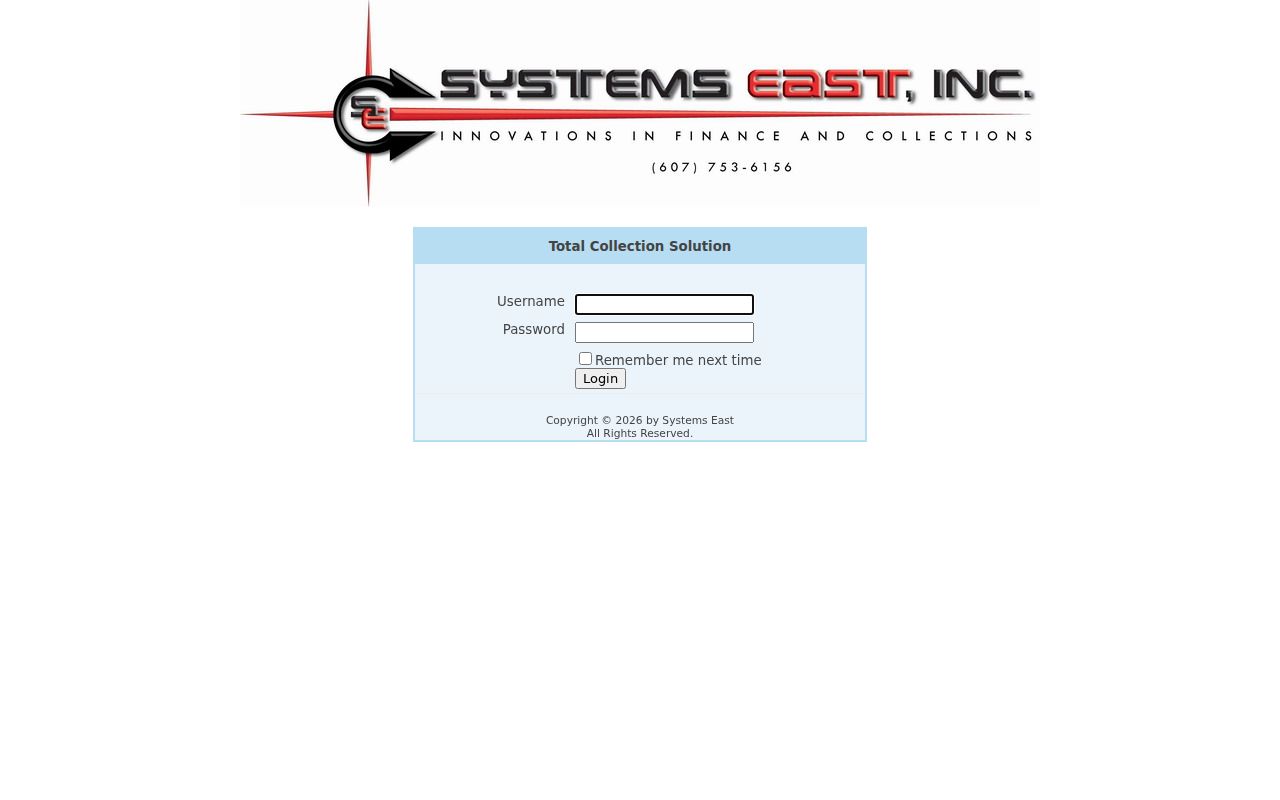
The screen should be read alongside the assessment roll, not as evidence of title.
The Hudson Exception in Columbia County Property Tax Records
Columbia County expressly leaves City of Hudson tax data off its online display. Hudson handles its own bill questions. Village displays for Chatham, Kinderhook, Philmont, and Valatie can also hide village charges even when county and town lines look complete. School data depends on what each collector submits. Delinquent treatment varies too. When a charge is missing, take the question to the collector who actually holds that bill. That could be the city, village, school, or town collector, or the Treasurer.
Assessment Rolls and Columbia County Grievances
Assessment and collection are two different jobs. The assessment roll lists the SBL, owner, location, school district, assessed value, exemptions, taxable value, and deed-book clues. The county publishes tentative, final, and historic rolls. A taxpayer who challenges a value needs parcel-specific market evidence, the RP-524 form, the local Board of Assessment Review, and sometimes SCAR. Current instructions sit on the county grievance page.
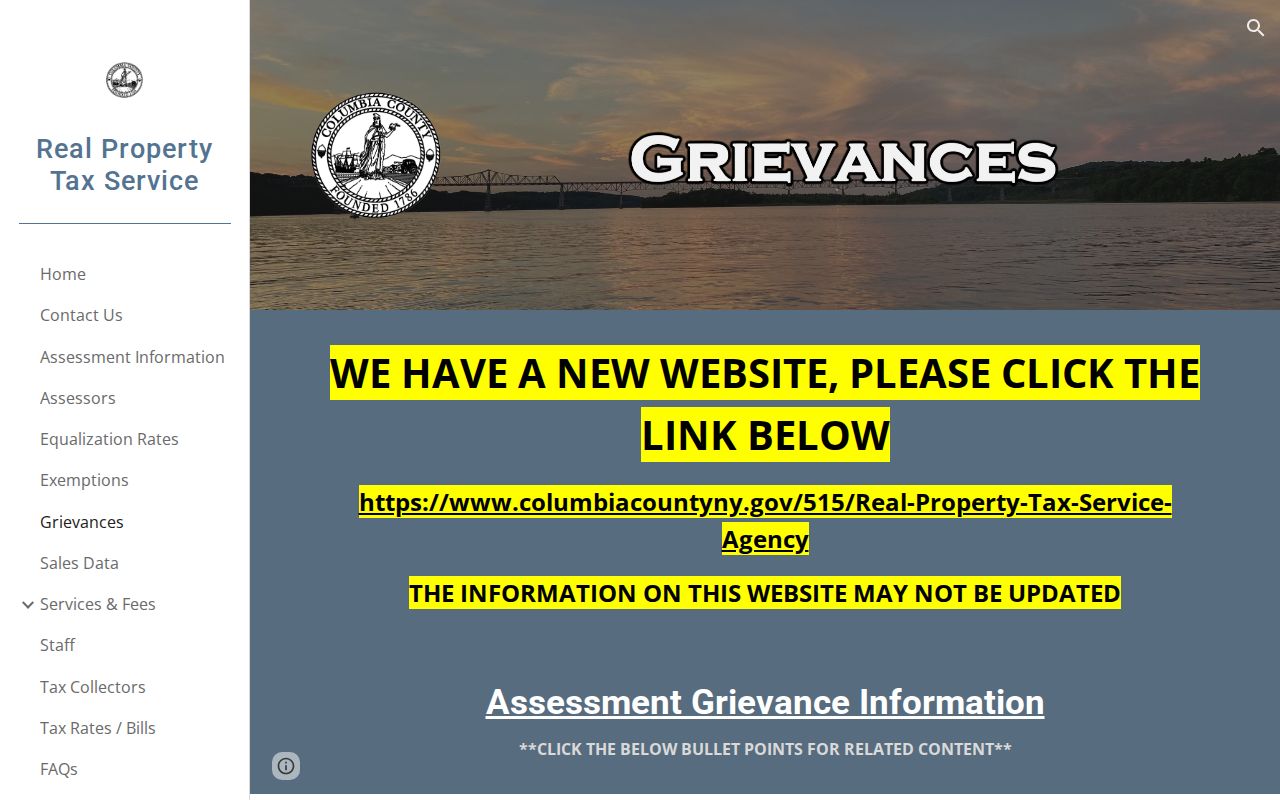
The assessor's office sets the grievance calendar each roll year, so property owners should confirm the filing dates before challenging an assessment.
The official assessment information page links the current tentative, prior final, and historical rolls.
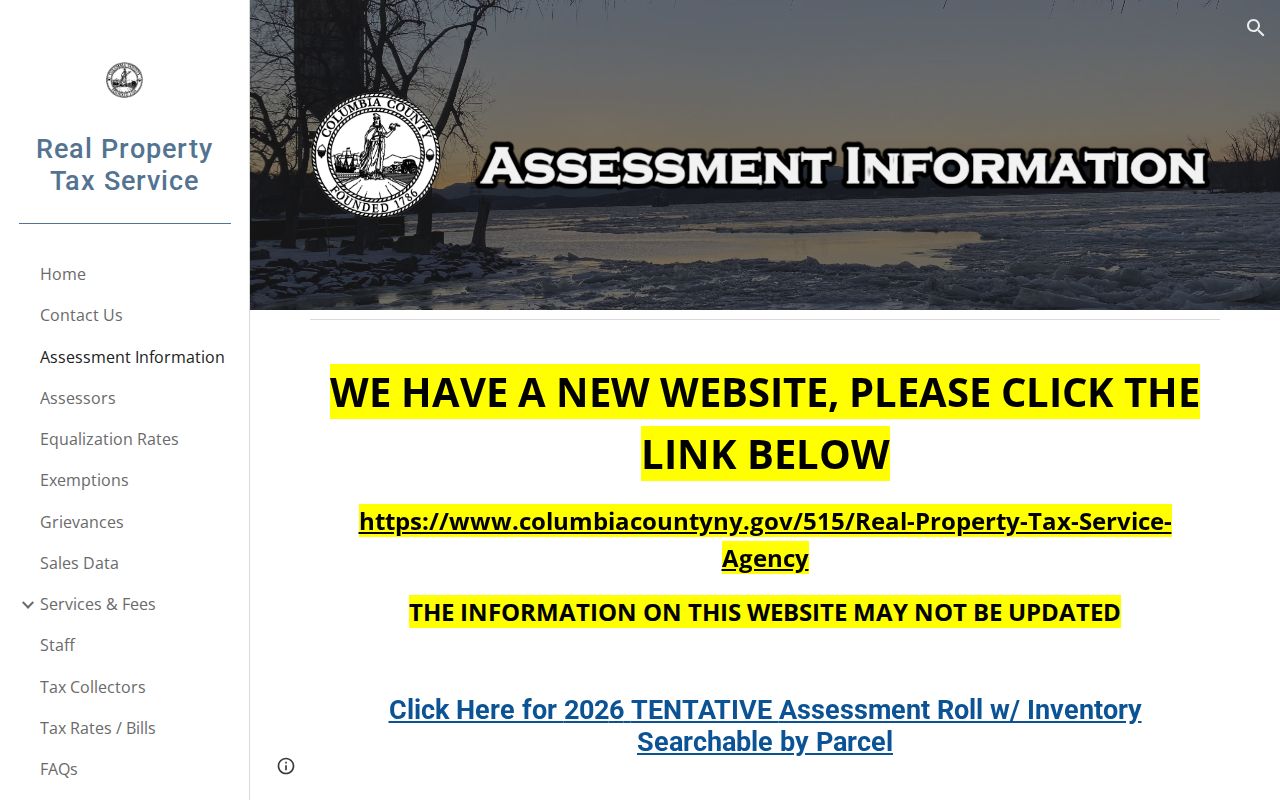
Roll year and tentative status belong beside every value.
Read a Columbia County Property Tax Record by Layer
Start with the parcel, not the balance. Confirm the SBL, municipality, owner field, tax year, and entity before anything else. Only then separate assessed value, exemptions, taxable value, levy lines, payments, penalties, and status. The assessment roll and the collection portal exist for different stages. Columbia County keeps them in different systems.
| Tax Record Layer | What It Answers | Primary Source |
|---|---|---|
| Parcel and owner snapshot | Who and what appeared on a dated roll | PROS and assessment roll |
| Assessed and taxable value | Assessment before and after exemptions | Assessment roll |
| Bill lines | Charges by entity and tax year | Total Collection Solution or local collector |
| Payments and flags | Displayed payment events and status context | Collection portal tabs |
| Delinquency and foreclosure | Later enforcement stage | Treasurer, County Attorney, and court records |
A payer name is not always the titled owner. A bill status is not a deed, so keep every tax finding tied to its year and its source.
Understand Columbia County Assessment Values
New York lets each municipality assess at a uniform percentage of full market value. That single choice shapes everything. The assessed amount, the estimated full value, the equalization rate, and the taxable amount each answer a different question. An exemption such as STAR can cut taxable value without touching the parcel's market evidence. Compare parcels only after matching municipality, roll year, property class, and level of assessment. PROS advertises comparable-sales tools. It also offers Advanced Search filters for sales, physical characteristics, assessed ranges, condition, and waterfront. Use those filters to build a candidate list. Then open each parcel. Weigh date, location, class, size, improvements, and condition side by side. Remember that a selected sale is evidence, not an appraisal of the subject property.
Challenge a Columbia County Assessment with Parcel Evidence
The county grievance page links the RP-524 route and each year's filing information. A strong submission names the parcel and states the claimed value. Support it with sales, appraisal material, factual corrections, or other parcel-specific evidence. The Board of Assessment Review hears the administrative grievance. Small Claims Assessment Review may open as a later route when it applies.
- Confirm the tentative roll entry and municipality.
- Check the current year's filing instructions and deadline.
- Gather comparable evidence and correct parcel facts.
- Submit RP-524 and supporting material to the named assessor.
- Preserve the determination and any later review record.
Grievance deadlines and evidence rules change from one assessment cycle to the next, so check the current year's requirements before filing a challenge.
Follow Columbia County Delinquent Tax Records Carefully
A red flag, inactive label, bundled status, payment-plan notation, or older payer name. Each demands its own explanation. Inspect Entities, Payments, and LINES. Keep the tax year and source limitation with what you save. Some school or village charges never appear in the county display. Delinquent school taxes can also be re-levied under the routes the county describes. Foreclosure is a separate legal process, not something one portal label settles. The County Attorney's foreclosure material and the Auctions International route document distinct stages. A complaint, judgment, auction, and referee deed are different events. Court and Clerk records establish what actually occurred.
Request a Missing Columbia County Tax Bill
Match the request to the charge that is missing. The right custodian may be a town collector. It may also be the City of Hudson, a village, a school collector, the County Treasurer, or Real Property Tax Services. Supply the SBL, property address, municipality, entity, and tax year. Ask for a specific bill, payment record, or status record. FOIL can reach an identifiable record that is not otherwise provided. It stays subject to New York's rules and exemptions. Save the response next to the assessment entry and the portal view. That way a later reader can see which entities and years were actually covered.
Keep a Columbia County Property Tax Source Log
A good log records the SBL, municipality, owner field, tax year, entity, roll status, assessed value, exemption amount, taxable value, bill line, payment date, flag, and the date of the portal view. Cite the assessment roll separately from Total Collection Solution. The two systems answer different questions. When a town, village, school, or city collector supplies a record, name that custodian and the date received. Limitations belong in the log too. State plainly when Hudson sits outside the county online tax display, when a village charge is not included, when school data depends on submission, or when an older payer name may be unreliable. A blank field is not a zero balance. An inactive label is not a legal finding. This discipline turns a portal screenshot into an auditable tax-year record for Columbia County, and it keeps an assessment owner, a payer, and a deed grantee from collapsing into one role without evidence.